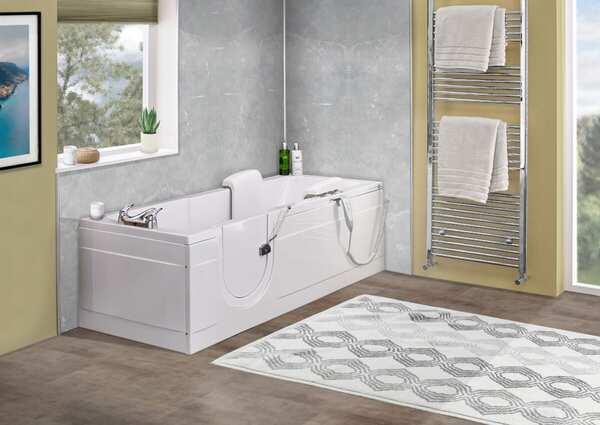
We all know the feeling of stepping into a bathroom and feeling like it is stuck in the past. Perhaps you have a large, heavy bathtub that no one ever uses. It takes up too much space and makes the room feel small. In Michigan, many older homes have these high-walled tubs that can be tricky to climb in and out of. This is why we are seeing so many people choose a tub to walk-in shower conversion in Plymouth, MI.
Why do we keep things that do not serve us? A bathroom should be a place where we feel safe and relaxed. If you find yourself worried about slipping or just tired of scrubbing old grout lines, it might be time for a change. Let us talk about how we can turn that old basin into a modern, easy-to-use shower.
Why Switch to a Walk-In Shower?
Most of us lead busy lives. We want a quick, hot shower in the morning without jumping over a high ledge. For many homeowners in Wayne County, this shift is about more than just looks. It is about staying in the home we love for a longer time.
As we get older, our needs change. A standard tub wall is often 15 inches high. That might not sound like much, but it can feel like a mountain if your knees are sore. By removing that wall, we create a floor that is level or has a very low curb. This makes getting in and out much simpler.
Better Safety for the Family
Did you know that most home accidents happen in the bathroom? According to the Centers for Disease Control and Prevention (CDC), over 200,000 people go to the emergency room every year due to bathroom slips. A walk-in shower helps lower this risk. We can add grab bars and non-slip floors to make the space even safer.
Saving Space and Adding Value
Bathtubs are bulky. When we swap a tub for a shower, the bathroom suddenly feels twice as big. We get more room for a bench or extra storage. Also, if you plan to sell your home, many buyers today look for updated master bathrooms. A fresh shower can make your house stand out in the Plymouth real estate market.
How the Process Works
We want to make the renovation easy to understand. It is not just about tearing things out; it is about building something better.
| Feature | Old Bathtub | New Walk-In Shower |
| Entry Height | 14–18 inches | 0–3 inches |
| Water Usage | High (filling the tub) | Lower (quick showers) |
| Cleaning | Hard on the back | Easy to reach walls |
| Style | Traditional/Dated | Modern/Custom |
Export to Sheets
1. The Tear Down
First, we remove the old tub and the wall tiles. We check the wood underneath for any water damage. If we find rot, we fix it now so it does not cause trouble later.
2. Plumbing Updates
A shower drain needs to be larger than a tub drain to move water fast. We update the pipes and set the new shower pan. We also move the faucet handles to a spot that is easy to reach before we even step under the water.
3. Making it Waterproof
We use special boards and seals to keep water where it belongs. This is the most important part. We want to be sure no moisture gets into your walls.
Choosing Your Style in Plymouth
Plymouth has a mix of beautiful historic homes and new builds. We want our shower to match the character of the house. We can choose from many materials like classic subway tile, natural stone, or solid panels that have no grout lines at all.
Have you thought about the doors? We can use clear glass to make the room look huge. Or, we can go “doorless” for a true wet-room feel. Since we live in Michigan, we might even think about adding a heated floor. There is nothing like a warm floor on a snowy January morning!
Local Expert Advice
Contractors in the 48170 area often suggest focusing on high-quality fixtures. Using a Rainfall showerhead can make your daily routine feel like a trip to a spa. Research from home design groups shows that bathroom remodels can bring back up to 60% to 70% of the cost in home value. That makes it a smart investment for your future.
Filling the Gaps: What Others Miss
When we look at other articles about bathroom skips, they often forget to talk about the “curtain vs. glass” debate. While glass looks great, it needs cleaning. If you want low maintenance, we suggest treated glass that sheds water easily.
We also see many people overlook lighting. A walk-in shower needs good light to stay safe. We often add a waterproof LED light in the ceiling of the shower. It brightens up the whole room and makes the morning much easier.
FAQ: Common Questions We Hear
1. How long does a tub to walk-in shower conversion in Plymouth, MI take? Most projects take between three to five days. It depends on if we are moving the toilet or sink as well.
2. Is it expensive to change the plumbing? If we keep the drain in the same general area, the cost stays lower. Moving pipes to a different wall adds more work.
3. Will removing my only tub hurt my home value? If you have another bathroom with a tub, you are safe. Most families want at least one tub in the house for kids or pets.
4. Are walk-in showers hard to clean? Actually, they are easier! If we use large tiles or solid panels, there is less grout to scrub.
5. Can I put a seat in my new shower? Yes! We can build a bench or install a folding seat. This is great for relaxing or for safety.
6. What is a “low-threshold” shower? This is a shower with a very small step at the bottom, usually about two inches high. It keeps water in but is easy to step over.
7. Do I need a permit in Plymouth, MI? Yes, most plumbing and structural changes in Plymouth require a local permit. We handle that part to make sure everything is up to code.
8. Can I use my old faucet with the new shower? Usually, it is better to get a new shower valve. Modern valves help keep the water temperature steady so you don’t get a “cold shock” when someone flushes a toilet.