Running a business involves many marketing tasks. You need to attract potential customers, follow up with leads, share useful content, and track results. However, managing every task manually can take valuable time. Missed follow-ups and inconsistent communication can also affect customer relationships.
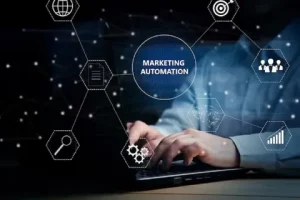
Effective Marketing Automation helps businesses organize repetitive marketing activities through connected software and planned workflows. For example, a business can send welcome emails, schedule follow-ups, and group contacts based on their interests. As a result, teams can spend more time creating useful content and serving customers.
Businesses in Helena, Montana, can use these methods to improve how they communicate with local audiences. Young10 Marketing helps businesses explore digital marketing strategies that support consistent outreach and measurable goals. Still, automation works best when it supports a clear plan. Businesses should understand their audience, choose suitable platforms, and review campaign performance regularly. With thoughtful planning, automation can make marketing more organized without removing the personal touch customers expect.
Understanding Marketing Automation and Its Benefits
Marketing Automation uses software to perform routine marketing tasks based on specific rules or customer actions. Instead of sending every message manually, businesses can create workflows that respond to customer behavior.
For example, a visitor may subscribe to a newsletter. The system can send a welcome message and schedule relevant follow-up emails. Similarly, a potential customer who requests information can receive helpful content over several days.
These processes can support several business goals:
- Save time: Automate repetitive tasks such as email scheduling and lead follow-ups.
- Improve consistency: Maintain regular communication across customer touchpoints.
- Organize contacts: Group customers according to interests and interactions.
- Support lead nurturing: Share relevant information throughout the buying process.
- Measure performance: Track opens, clicks, conversions, and other campaign results.
Moreover, automation can help small teams manage growing contact lists. However, software alone cannot create an effective strategy. Businesses still need useful messages, accurate contact information, and clear goals.
Building a Smarter Marketing Automation Strategy
Reliable Marketing Automation begins with understanding what your business wants to achieve. Some companies want more inquiries, while others focus on repeat purchases or stronger customer relationships. Therefore, define the desired outcome before selecting software.
Next, consider your audience. Identify common questions, customer interests, and the stages people follow before making a purchase. This information helps you decide which messages should reach each group.
A practical strategy should include these five steps:
- Set measurable goals: Define targets for leads, sales, or customer engagement.
- Understand your audience: Identify customer needs and communication preferences.
- Map the customer journey: Outline important steps from first contact to purchase.
- Choose suitable workflows: Match automated messages to customer actions.
- Review results: Track performance and adjust campaigns regularly.
Furthermore, avoid automating every interaction. Customers may need personal assistance when they have complex questions. A balanced strategy uses automation for routine communication and human support for important conversations.
Email Marketing Automation and Customer Engagement
Email Marketing Automation Services helps businesses communicate with subscribers through scheduled and behavior-based messages. For example, a welcome sequence can introduce a company, explain its services, and share useful resources.
Additionally, businesses can create reminders for abandoned inquiries, appointments, or important updates. These messages should provide genuine value rather than overwhelm recipients.
Consider these five useful email workflows:
- Welcome emails: Introduce your business to new subscribers.
- Lead follow-ups: Share information after someone requests a quote or consultation.
- Appointment reminders: Help customers remember scheduled meetings.
- Customer feedback requests: Invite buyers to share their experience.
- Re-engagement campaigns: Reach subscribers who have stopped interacting.
Good email marketing automation also depends on responsible contact management. Obtain appropriate permission before sending marketing emails. Include a clear unsubscribe option and respect subscriber preferences.
For additional background, the email marketing article explains how businesses use email to communicate with audiences. However, successful campaigns require relevant content, careful timing, and ongoing testing.
Choosing the Right Marketing Automation Tools
Different platforms offer different features. Some focus on email campaigns, while others combine customer relationship management, lead scoring, landing pages, and reporting. Therefore, choose software based on your actual needs rather than the number of features advertised.
Effective Marketing automation tools should fit your team’s workflow and technical experience. A small business may only need email sequences and contact management. A larger organization may benefit from advanced segmentation and CRM integration.
Review these five factors before choosing a platform:
- Ease of use: Select an interface your team can manage comfortably.
- Essential features: Confirm that the platform supports your planned workflows.
- Integration options: Check compatibility with your website, forms, and CRM.
- Reporting: Look for clear campaign and conversion data.
- Pricing: Compare subscription costs, contact limits, and additional fees.
Moreover, consider customer support and training resources. Test a platform with a small campaign before moving all your contacts. This approach helps identify problems without disrupting existing marketing activities.
Digital Marketing Automation Across Multiple Channels
Digital marketing automation can coordinate communication across email, websites, social media, and other digital channels. For example, a business might use a website form to collect inquiries. The system can then organize the contact and trigger a relevant follow-up.
However, each channel should support the same overall message. Customers may become confused if emails, advertisements, and website content provide conflicting information.
Use these five practices to coordinate your campaigns:
- Connect lead forms: Send new inquiries into an organized contact database.
- Coordinate content: Keep messages consistent across digital channels.
- Segment audiences: Share content that matches customer interests.
- Track campaign activity: Review engagement across connected platforms.
- Protect customer data: Limit access and follow applicable privacy requirements.
Furthermore, businesses should review automated messages before publishing them. Check links, spelling, timing, and personalization fields. Young10 Marketing can help businesses consider how digital channels fit into a broader marketing strategy.
Marketing Workflow Automation for Long-Term Growth
Marketing workflow automation connects individual tasks into a repeatable process. A new inquiry, for instance, can trigger contact creation, an internal notification, and a scheduled follow-up. Consequently, teams can manage leads with fewer manual steps.
Start with a simple workflow before adding complex conditions. Map each action and decide what should happen next. Also, identify situations that require a team member to step in.
These five practices can improve workflow quality:
- Document each process: Record triggers, actions, and expected outcomes.
- Assign responsibility: Make sure someone monitors important leads.
- Test before launch: Check every message and workflow condition.
- Monitor errors: Look for duplicate contacts and failed notifications.
- Update regularly: Adjust workflows as products and customer needs change.
Marketing workflow automation should also include clear reporting. Track how quickly your team responds and how many leads move forward. Meanwhile, remove steps that no longer serve a useful purpose.
Ultimately, effective Marketing Automation supports better organization. It does not replace sound decisions, helpful content, or meaningful customer relationships.
Conclusion
Automation can help businesses manage marketing tasks with greater consistency. It can organize leads, support timely communication, and reduce repetitive work. However, strong results depend on planning, useful content, and regular performance reviews.
Start with one process that takes too much time. For example, automate welcome emails or follow-ups for new inquiries. Then, measure the results before expanding into additional workflows. This gradual approach helps your team learn the platform and avoid unnecessary complexity.
Businesses should also protect customer information and respect communication preferences. Review automated messages often to ensure they remain accurate and relevant. Additionally, keep personal support available when customers need direct assistance.
If you are exploring expert digital marketing automation in Helena, MT, choose a strategy that matches your audience and business goals. Young10 Marketing can help you consider practical ways to organize campaigns and improve digital outreach. With the right approach, automation can support steady growth while keeping customer communication useful and personal.
FAQs
What is marketing automation?
Marketing automation uses software to handle repetitive marketing tasks, such as email sequences, lead follow-ups, contact organization, and campaign reporting.
How can marketing automation help a small business?
It can save time, improve follow-up consistency, organize customer information, and help a small team manage marketing activities more efficiently.
What is email marketing automation used for?
Businesses use it to send welcome emails, reminders, follow-ups, newsletters, and other messages based on subscriber actions or schedules.
Which marketing automation tools should a business choose?
Choose a platform based on your goals, budget, required features, integrations, reporting options, and team’s technical experience.
Can marketing automation replace personal customer communication?
No. Automation handles routine tasks, but personal communication remains important for complex questions, support requests, and relationship building.