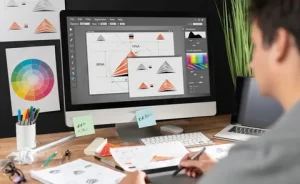
Strong visuals help businesses make a memorable first impression. From a logo to a website banner, every design element shapes how customers view a brand. Clear, consistent visuals also make business messages easier to understand. However, effective design involves more than attractive colors and images. It requires a thoughtful approach to branding, audience needs, and communication goals.
Professional expert Graphic Design can help Helena businesses present their services with confidence. It also creates a consistent look across websites, advertisements, business cards, and social media. Therefore, companies should consider their visual identity an important part of their marketing strategy.
Young10 Marketing helps businesses understand how creative design supports their wider marketing efforts. A well-planned design process considers the brand’s personality, target audience, and purpose before choosing visual elements. Additionally, it balances creativity with practical business needs. The result is a visual identity that feels recognizable, professional, and relevant to local customers.
Why Graphic Design Matters for Local Businesses
Customers often notice a business’s visuals before reading its message. A professional logo, organized layout, and consistent colors can make a company appear credible. In contrast, unclear graphics may confuse visitors or weaken brand recognition.
For businesses in Helena, consistent visuals can support recognition across local advertising, storefront materials, and digital platforms. Moreover, a familiar design style helps customers connect different marketing materials with the same company.
Effective reliable Graphic Design also improves communication. For example, a clear promotional graphic can explain an offer faster than a long paragraph. Likewise, a well-designed service brochure can guide customers through available options.
Visual design should support the message rather than distract from it. Businesses should use readable fonts, suitable images, and balanced layouts. They should also consider how designs appear on phones and computers.
Ultimately, strong visuals help customers understand what a business offers. They also create a consistent experience at every point of contact.
Essential Elements of Effective Graphic Design
Every design project needs a clear purpose. Before choosing colors or creating layouts, businesses should identify the message they want to communicate. They should also consider their audience and the action they want customers to take.
A professional creative Graphic Design Service approach starts with these questions. It then turns the answers into practical visual choices.
Important design elements include:
- Color selection: Choose colors that reflect the brand’s personality and remain consistent across materials.
- Typography: Use readable fonts that suit the business and its audience.
- Visual hierarchy: Highlight important information through size, spacing, and placement.
- Image quality: Select relevant, clear images that support the message.
- Layout balance: Arrange text and visuals so customers can follow the information easily.
Furthermore, businesses should consider accessibility. Text needs sufficient contrast against its background. Small fonts and crowded layouts can make important details difficult to read.
These principles apply to printed materials and digital content. Therefore, a consistent design plan helps businesses maintain a recognizable appearance across different channels.
Choosing the Right Graphic Design Company or Agency
Choosing a design provider involves more than comparing prices. Businesses should look for a team that understands their goals, listens carefully, and explains its process. A strong portfolio can also reveal the provider’s creative range and attention to detail.
A suitable professional Graphic Design Company should ask about the target audience, brand message, project requirements, and expected results. Additionally, the provider should explain timelines, revision limits, deliverables, and file formats before work begins.
When comparing providers, consider these practical points:
- Portfolio quality: Review projects that match your industry or design needs.
- Communication: Choose a provider that answers questions clearly and welcomes useful feedback.
- Project scope: Confirm which designs, formats, and revisions the price includes.
- Brand consistency: Check whether the provider can maintain a unified visual style.
- File ownership: Ask whether you will receive editable and final design files.
A trusted Graphic Design Agency should also explain its recommendations instead of relying on vague promises. This makes collaboration easier and helps prevent misunderstandings.
Graphic Design Services Businesses May Need
Different businesses need different visual materials. A new company may need a logo and basic brand guidelines. An established business may require updated brochures, advertisements, or social media graphics.
A dependable complete Graphic Design Services plan can cover several marketing needs. However, businesses should prioritize projects based on their goals and available budget.
Common design options include:
- Logo design: Establish a recognizable symbol and visual identity.
- Brand identity: Define colors, fonts, imagery, and consistent design rules.
- Marketing materials: Create brochures, flyers, business cards, and promotional graphics.
- Social media designs: Prepare branded posts, banners, and campaign visuals.
- Digital graphics: Develop website banners, advertisements, and other online assets.
Moreover, businesses should think about how each design will work in different formats. A logo, for instance, should remain clear on a small mobile screen and a large sign.
A capable experienced Graphic Design Firm can help organize these needs into a practical project plan. The best approach focuses on useful materials rather than producing designs without a clear purpose.
How to Prepare for a Successful Design Project
Good results depend on clear communication between the business and its design provider. Before starting, collect basic brand information and explain what the project should achieve. This gives the designer a useful direction.
Businesses can prepare by following these steps:
- Define the objective: Explain whether the design should build awareness, promote a service, or support sales.
- Identify the audience: Describe the customers you want to reach.
- Gather brand assets: Share existing logos, colors, images, and marketing materials.
- Provide examples: Show references that match your preferred style, while allowing room for original ideas.
- Set expectations: Agree on deadlines, feedback stages, revisions, and final file formats.
Additionally, review each draft against the original project goals. Give specific feedback about readability, colors, spacing, and message clarity. Avoid vague comments that leave the designer guessing.
Understanding basic graphic design principles can also help business owners discuss their needs more effectively.
Consequently, organized preparation reduces confusion and supports a smoother creative process.
Building Long-Term Value Through Consistent Graphic Design
Design should not stop after a logo or marketing campaign launches. Businesses need to maintain visual consistency as they introduce new services, products, and promotions.
A consistent brand uses familiar colors, fonts, imagery, and layouts. Therefore, customers can recognize the business across websites, printed materials, and social media.
Professional Graphic Design also needs regular review. Older graphics may contain outdated contact details, low-quality images, or messaging that no longer reflects the business. Updating these materials keeps communication accurate and relevant.
Businesses can maintain design quality by:
- Reviewing marketing materials at regular intervals.
- Using approved brand colors and fonts.
- Keeping logos and images in organized, accessible folders.
- Updating promotional graphics when offers or services change.
- Checking designs on different devices and print sizes.
Furthermore, businesses should measure how well their visuals support marketing goals. Customer feedback, website engagement, and campaign performance can provide useful insights.
A consistent approach helps Helena businesses maintain a professional appearance. It also gives future marketing projects a clear visual foundation.
Conclusion
Strong visual communication helps businesses explain their services, build recognition, and create lasting customer impressions. However, successful design requires more than attractive graphics. It combines audience research, clear messaging, thoughtful layouts, and consistent branding.
Businesses in Helena should begin by identifying their goals and understanding the people they want to reach. Next, they can choose suitable materials and establish a visual style that works across digital and print platforms. Clear project requirements also help designers deliver useful results.
Working with an experienced Graphic Design Company in Helena, MT can make this process more organized. Look for a provider that communicates clearly, explains its creative decisions, and understands your business needs. Additionally, review designs regularly to keep information accurate and branding consistent.
With careful planning, businesses can use visual content as a practical marketing tool. The right approach supports a recognizable identity and helps customers understand what makes a company worth considering.
FAQs
What does graphic design include?
It includes logo creation, branding, brochures, advertisements, social media graphics, and digital marketing visuals.
Why is graphic design important for small businesses?
Professional visuals help small businesses communicate clearly, build recognition, and create a consistent brand image.
How do I choose a graphic design provider?
Review portfolios, communication practices, project terms, pricing, revision policies, and previous work.
What should I prepare before starting a design project?
Prepare your business goals, audience details, existing brand assets, design references, and project requirements.
How often should businesses update their graphic designs?
Review designs regularly and update them when branding, services, contact details, or marketing goals change.