Running a business involves many marketing tasks. Teams create emails, manage leads, publish content, and follow up with potential customers. Handling every task manually can take valuable time. It can also lead to missed opportunities and inconsistent communication.
Effective marketing automation helps businesses organize these activities through tools and planned workflows. Instead of repeating routine tasks, teams can schedule messages, segment audiences, and track customer interactions. However, automation works best when it supports a clear marketing strategy. It should make communication more relevant, not turn every customer interaction into a generic message.
Young10 Marketing helps businesses explore digital marketing strategies that support their goals and customer relationships. For companies in Helena, MT, automation can improve campaign organization and make follow-ups more consistent. The right approach starts with understanding your audience, choosing suitable tools, and setting measurable goals. With thoughtful planning, businesses can save time while creating more useful customer experiences.
Understanding How Marketing Automation Works
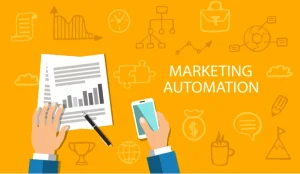
Marketing automation uses software to manage recurring marketing activities. These activities may include email sequences, lead nurturing, audience segmentation, and campaign reporting. Businesses create rules that trigger actions when customers take specific steps.
For example, someone who signs up for a newsletter might receive a welcome email automatically. A customer who downloads a guide could receive related information later. These actions help businesses maintain communication without sending every message manually.
However, automation does not replace the need for thoughtful marketing. Teams still need to create useful content and understand customer needs. Therefore, successful Marketing Automation Services combine technology with clear messaging.
Common uses include:
- Sending welcome and follow-up emails.
- Organizing leads based on interests.
- Scheduling campaign messages.
- Recording customer interactions.
- Measuring engagement and conversions.
Moreover, businesses should review automated workflows regularly. Customer preferences change, and outdated messages can damage trust. A simple, relevant workflow often performs better than a complicated system with too many triggers.
Benefits of Effective Marketing Automation
Automation can help businesses manage marketing activities more consistently. It also gives teams more time to focus on planning, creative work, and customer service. However, results depend on the quality of the strategy and the information used.
A well-planned reliable marketing automation strategy can reduce repetitive work. For instance, a business can schedule email reminders after a customer requests information. Consequently, leads receive timely communication while staff focus on other priorities.
Businesses can benefit in several ways:
- Save time on recurring marketing tasks.
- Maintain consistent communication with prospects.
- Organize contacts into useful audience groups.
- Track campaign engagement more clearly.
- Identify opportunities for better follow-up.
Additionally, automation can help businesses understand customer behavior. Reports may show which emails receive attention or which campaigns generate inquiries. Teams can use this information to improve future messages.
Still, automation does not guarantee more sales. Businesses must offer useful products, clear information, and responsive support. Technology works best when it strengthens these fundamentals.
Choosing the Right Marketing Automation Software
The software you choose should match your business size, goals, and existing marketing process. Some platforms focus on email campaigns, while others combine customer relationship management, lead tracking, and reporting.
Suitable marketing automation software should be easy for your team to manage. A complex platform may create extra work if you only need basic email sequences. Therefore, list your requirements before comparing providers.
Consider these five practical points:
- Check whether the platform supports your marketing channels.
- Review contact management and segmentation features.
- Compare reporting and analytics options.
- Confirm integration with your existing tools.
- Understand subscription costs and usage limits.
Furthermore, check how the platform handles customer data and consent. Businesses should follow applicable privacy rules and provide clear unsubscribe options.
For a general overview, the Wikipedia article on marketing automation explains the role of technology in managing marketing tasks. Use it as background reading, then compare platforms against your own needs.
Creating Automated Marketing Campaigns That Connect
Automation should make communication more helpful and timely. It should not send customers repeated messages without considering their interests. Start by identifying the audience and the action you want them to take.
Effective Automated Marketing Services campaigns follow a clear purpose. A welcome sequence introduces a business to new subscribers. A reminder campaign may help customers return to an unfinished inquiry. Meanwhile, educational emails can answer common questions.
Use these five steps when building a campaign:
- Define one clear campaign goal.
- Identify the intended audience.
- Write useful, relevant messages.
- Set triggers and delivery timing carefully.
- Test the workflow before launching it.
Additionally, review each message from the customer’s perspective. Avoid excessive emails or unclear calls to action. Make it easy for people to manage their communication preferences.
Personalization can improve relevance when businesses use accurate customer information. However, avoid collecting unnecessary data. Respectful communication helps build stronger customer relationships over time.
Measuring and Improving Marketing Automation Results
Launching a workflow is only the beginning. Businesses need to monitor performance and make changes when results fall short. Regular reviews help identify problems before they affect larger campaigns.
A trusted marketing automation solution should provide useful reporting. Depending on the platform, you may track email opens, clicks, form submissions, leads, and conversions. However, no single metric explains the full customer journey.
Use these five practices to improve performance:
- Review campaign results on a regular schedule.
- Compare engagement across audience segments.
- Test subject lines and calls to action.
- Remove outdated or ineffective messages.
- Update workflows as customer needs change.
Moreover, connect campaign results to meaningful business goals. More email opens may look positive, but qualified inquiries and sales often provide stronger evidence of value.
Young10 Marketing can help businesses consider how automation fits into a broader digital marketing plan. The right process should support measurable goals and maintain a consistent brand voice. Start with a small workflow, evaluate its performance, and expand when the results justify it.
Conclusion
Marketing automation can help Helena businesses manage repetitive tasks and communicate with customers more consistently. It supports activities such as email follow-ups, lead organization, audience segmentation, and campaign reporting. However, technology alone does not create an effective marketing strategy.
Start by identifying tasks that take too much time. Then choose software that fits your needs and budget. Build simple workflows with clear goals and relevant messages. Finally, review performance and make improvements based on reliable data.
For businesses seeking expert marketing automation services in Helena, MT, a thoughtful strategy can make campaign management more organized. It can also help teams spend more time on customer needs and business growth. Remember to protect customer information and respect communication preferences.
The strongest results come from combining useful technology with human judgment. Keep your workflows simple, measure meaningful outcomes, and adjust your approach as your business develops.
FAQs
What is marketing automation?
Marketing automation uses software to manage recurring tasks such as email campaigns, lead follow-ups, and audience segmentation.
How can marketing automation help a small business?
It can reduce repetitive work, organize customer information, and support consistent communication with potential customers.
What features should marketing automation software include?
Useful features may include email scheduling, contact management, segmentation, workflow triggers, analytics, and integrations.
Are automated marketing campaigns suitable for local businesses?
Yes. Local businesses can use them for welcome emails, appointment reminders, promotions, and follow-ups with interested customers.
How do businesses measure marketing automation success?
They can track engagement, qualified leads, conversions, and revenue. The best metrics depend on each campaign’s goals.